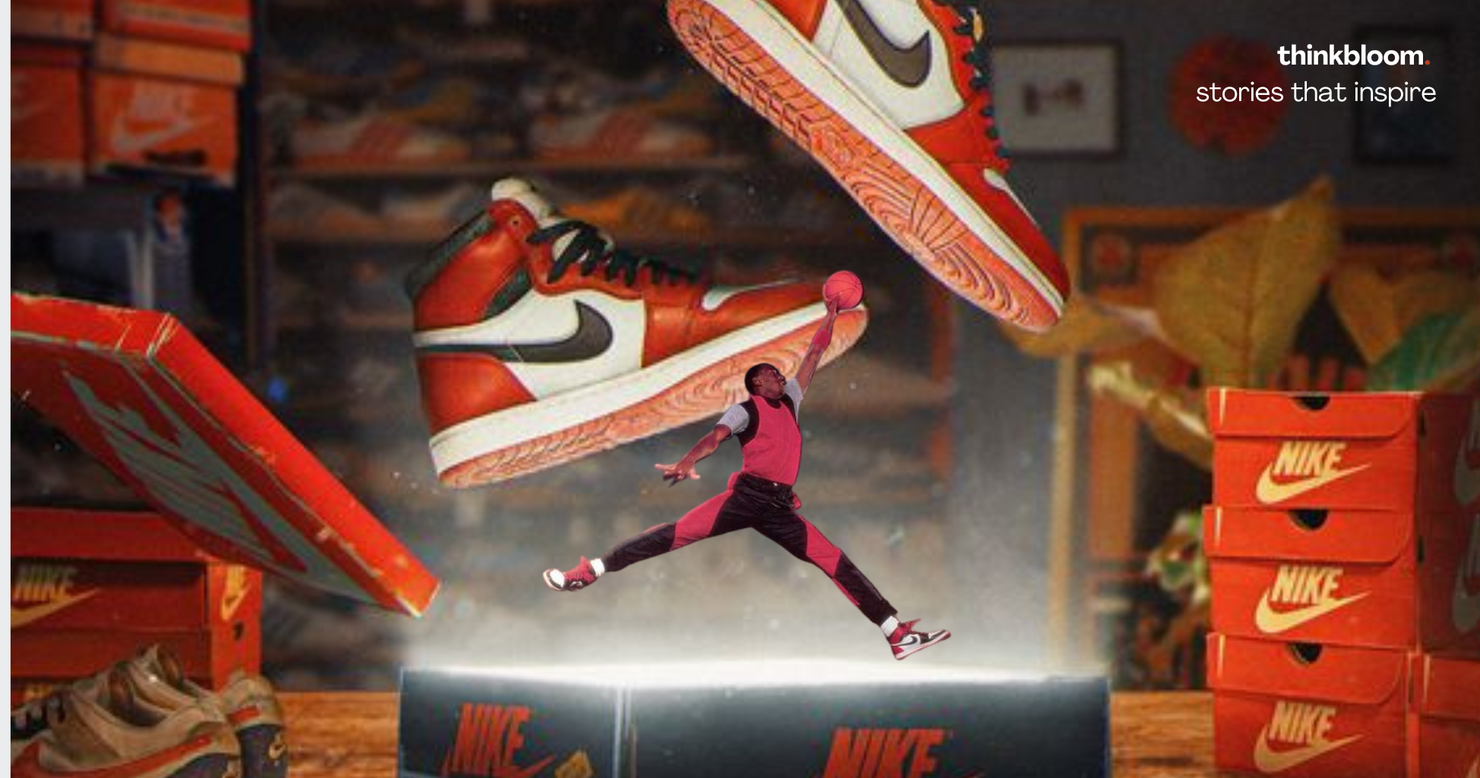
Culture-Defining Marketing: How Nike Turned Air Jordans into Icons
How Nike turned a rookie's signature sneaker into a cultural phenomenon — and what brands can learn about storytelling, rebellion, and lifestyle.
Few products have transcended their category quite like the Air Jordan. What started as a sneaker collaboration between Nike and a young Michael Jordan has become an enduring cultural icon, influencing fashion, sports, and even social movements. But how did Nike accomplish this? By using marketing to shape not just a product, but a movement.
The Origin of an Icon
In 1984, Nike signed rookie Michael Jordan to a groundbreaking $2.5 million endorsement deal — a bold investment considering he was untested in the NBA. The gamble paid off when Nike released the Air Jordan I in 1985. The sneaker's bold design and the controversy surrounding it (banned by the NBA for violating uniform policies) set the stage for what would become a marketing masterclass.
Nike leaned into the ban, turning it into a story of rebellion and individuality. Ads featured the tagline: "The NBA can't stop you from wearing them." This narrative resonated deeply with a generation eager to break rules and stand out.
Marketing Beyond the Product
Nike didn't just sell shoes; they sold a lifestyle. By tying Air Jordans to Michael Jordan's rise as a basketball legend, they created a product that symbolized excellence, ambition, and cultural relevance. Iconic ad campaigns featuring Spike Lee as Mars Blackmon further embedded the shoes into pop culture, blending humor, sports, and storytelling.
The Air Jordan brand became a canvas for individuality, with each new release building anticipation and demand. Nike's ability to blend sports and street culture allowed Air Jordans to transcend their category and become a status symbol.
Building a Cultural Legacy
Nike's genius lay in their ability to create scarcity and exclusivity. Limited-edition drops, collaborations with designers like Virgil Abloh, and partnerships with celebrities kept the brand at the forefront of cultural conversations. Air Jordans became more than sneakers; they became artifacts of self-expression and status.
Moreover, Nike has consistently invested in storytelling. Documentaries like The Last Dance not only celebrated Michael Jordan's career but also reinforced the emotional connection fans have with the brand. This deep narrative helps Nike maintain relevance across generations, even for younger consumers who never saw Jordan play.
Lessons for Brands
- Tell a StoryAir Jordans became iconic because Nike wove a compelling narrative around them. Brands must craft stories that connect with audiences on an emotional level.
- Embrace Cultural MomentsNike capitalized on the NBA ban and Michael Jordan's cultural impact to make Air Jordans a symbol of rebellion and ambition. Brands should identify and leverage moments that align with their identity.
- Create Scarcity and ExclusivityLimited releases and collaborations create urgency and demand. Scarcity turns a product into a coveted item.
- Invest in Lifestyle MarketingNike didn't just market a product; they marketed a way of life. Aligning your brand with values, aspirations, and lifestyles builds deeper connections with your audience.
- Longevity Through StorytellingBy continually reinforcing Michael Jordan's legacy through films, documentaries, and collaborations, Nike ensures Air Jordans remain culturally relevant.
Conclusion
Nike's success with Air Jordans is a testament to the power of marketing to shape culture. By combining innovative products, bold narratives, and strategic partnerships, Nike created more than just a sneaker — they created a legacy. For brands seeking to build cultural relevance, the Air Jordan story serves as a blueprint for merging product, purpose, and passion.